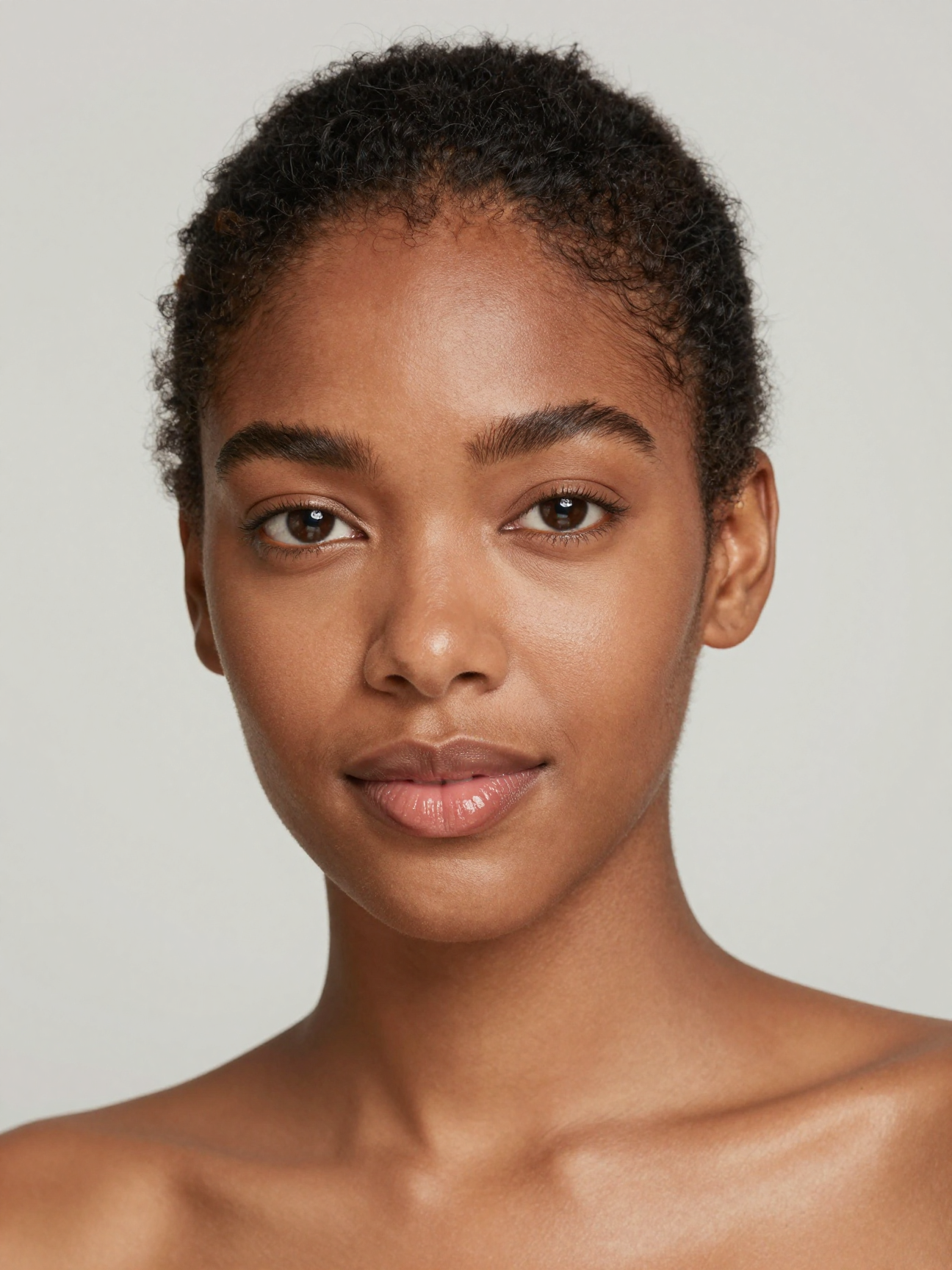
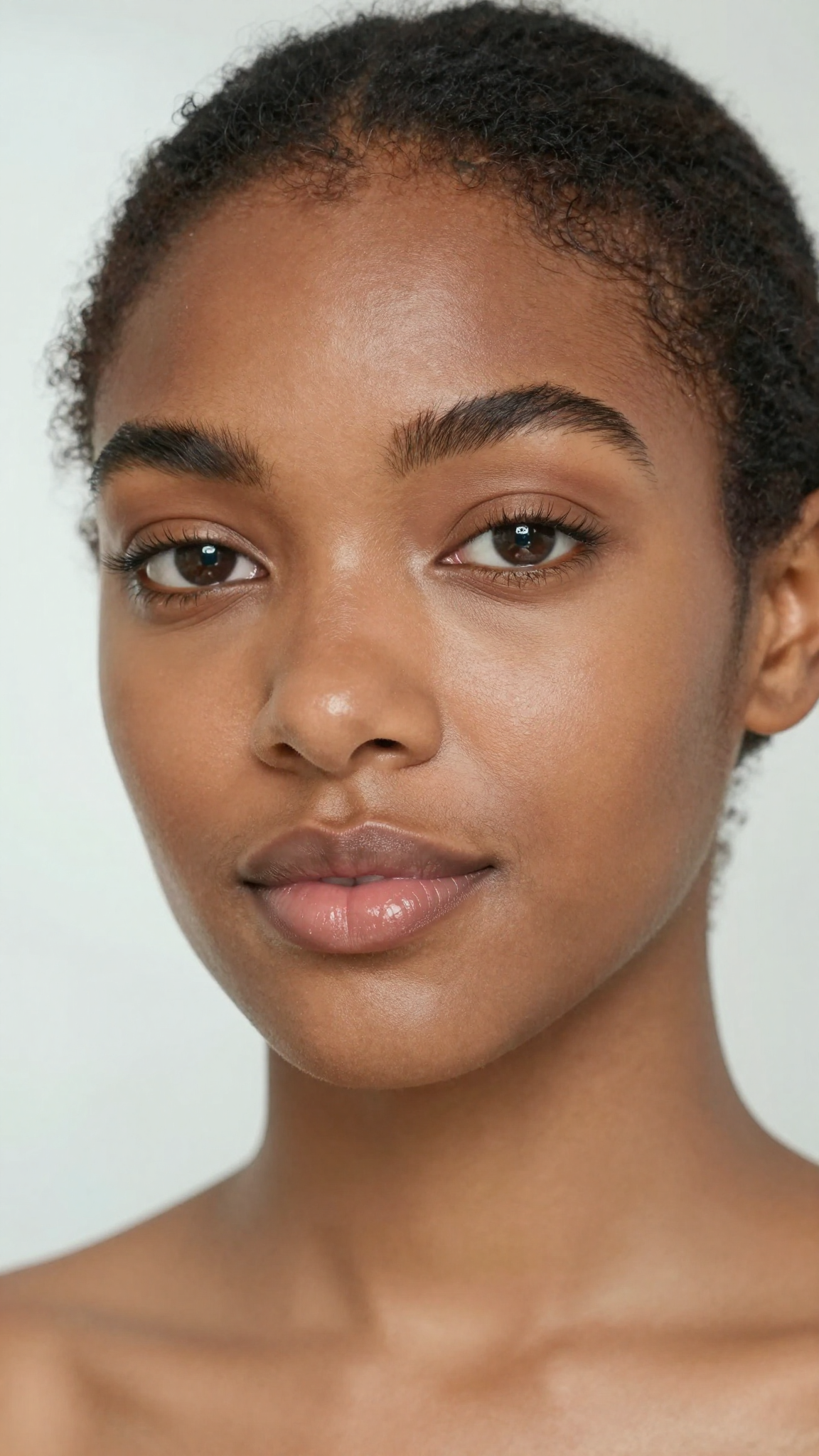
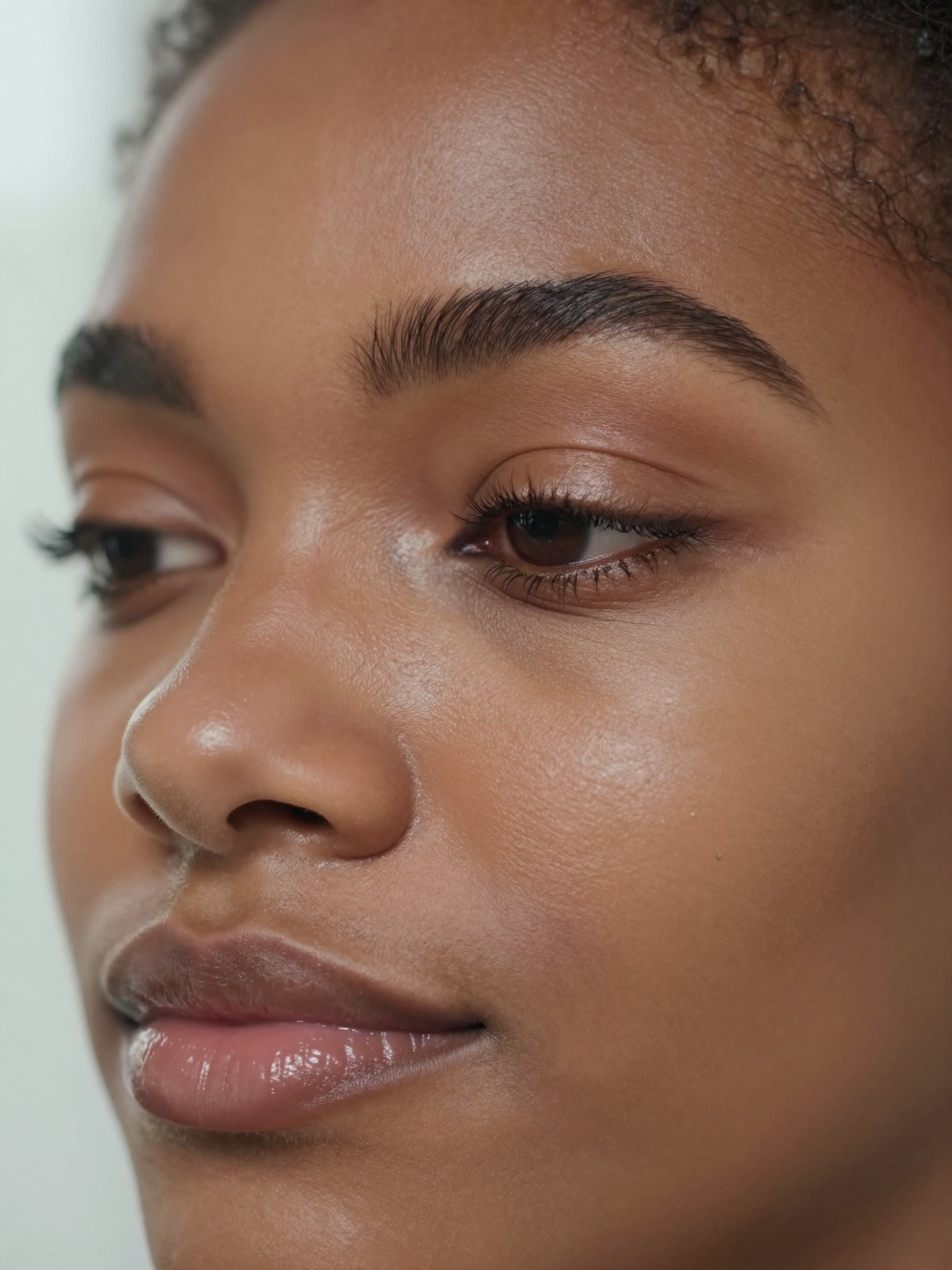
The no-makeup makeup look isn't actually about wearing less product than usual — it's about which products, applied in a way that keeps skin texture visible instead of flattening it.
Most attempts fail on two specific steps: full-coverage foundation instead of a thin skin tint, and skipping brows entirely instead of just grooming them lightly.
If your skin tint oxidizes and turns orange within an hour, switch formulas rather than using less product — thin layers of the wrong undertone still oxidize the same way a thick layer does.
Tips & Common Questions
What's the single biggest giveaway that ruins the no-makeup effect?
Full-coverage foundation with a matte finish — it flattens skin texture in a way real bare skin never has, and reads as 'wearing makeup' even if everything else is minimal.
Do I really need concealer at all?
A small amount on the darkest under-eye area or an active blemish still reads as 'no makeup' — it's full-face concealer application that gives it away, not any concealer use.
How is this different from 'clean girl makeup'?
They overlap heavily, but no-makeup makeup leans even more minimal and skin-focused, while clean girl makeup usually includes more deliberate styling (brushed-up brows, glossier finish, more defined blush placement).
Does this work on textured or acne-prone skin?
Yes — spot concealing rather than full coverage actually works better on textured skin, since a thin, patchy base blends into texture more convincingly than a heavy one trying to hide it completely.